Understanding the Connection Between Doomscrolling and Anxiety
Do you often find yourself getting into bed with every intention of drifting off to sleep, but instead, you are bathed in the blue light of your phone, swiping through a never-ending stream of bad news, political outrage, and global crises? You can feel your chest tightening and your jaw clenching, yet your thumb keeps sliding over the screen for the next post.
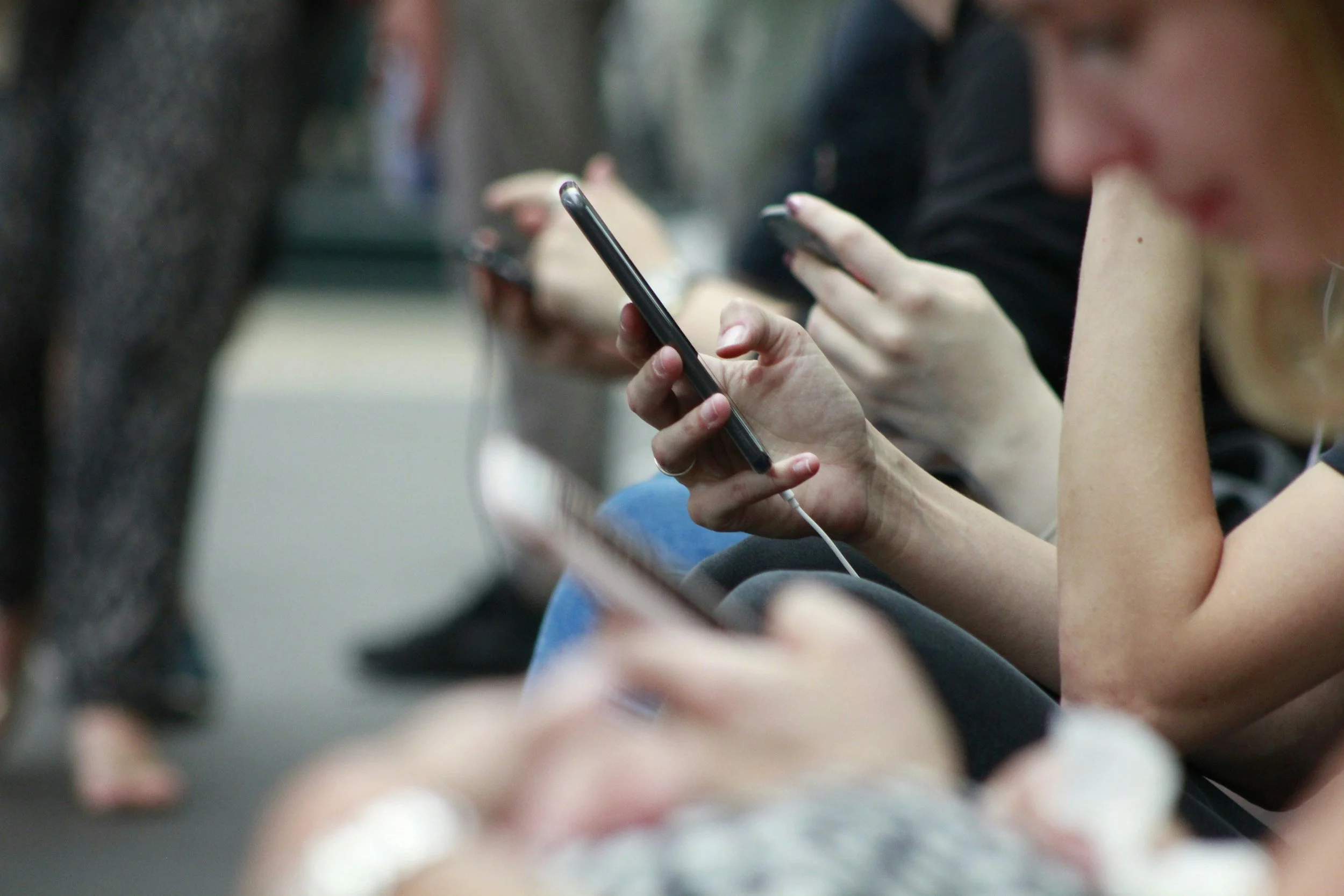
This is doomscrolling. It’s the compulsive consumption of negative online content. It feels like a modern failing of self-discipline. But it is actually a very old biological survival mechanism being hijacked by modern technology. Understanding this connection is the first step toward recognizing that your inability to look away is not a lack of willpower. It is your nervous system falling into a perfectly designed trap.
The Biology Behind the Scroll
To understand why doomscrolling fuels anxiety, it helps to look at what it does to the brain. You are not scrolling because you enjoy feeling frightened. Strangely enough, you do it because your brain is searching for safety.
The way humans evolved means we pay closer attention to threats than to positive events. In early survival environments, missing a beautiful sunset carried no consequence, but missing a predator could be fatal. Doomscrolling exploits this biological wiring, signaling to your brain that every alarming headline deserves the same urgent attention as a physical danger.
Compounding this is the role dopamine plays while seeking and anticipating what comes next. The infinite scroll delivers unpredictable information, and your brain keeps reaching for the next swipe in the hope that it will finally provide the answer or resolution that makes you feel safe.
Meanwhile, as you absorb threat after threat, your amygdala signals your body to release cortisol and adrenaline. Your system is preparing to fight or flee, yet you are lying completely still. That unspent physical energy has nowhere to go, and it surfaces as the buzzing, restless anxiety that keeps you wide awake long after you put the phone down.
The Illusion of Being Informed
Anxiety, at its core, is an intolerance of uncertainty. Doomscrolling is often a subconscious attempt to resolve that uncertainty—a belief that if you can just consume enough information, you can somehow prepare for whatever comes next. The problem is that you cannot think or research your way out of an emotional trigger. Information without any avenue for action simply creates more panic.
Social media platforms are not neutral spaces either. Their algorithms are built to maximize engagement. Research consistently shows that fear and outrage keep people scrolling longer than any other emotional experience. The feed is quite literally designed to sustain your anxiety so that you keep coming back. Over time, this constant exposure to the world’s collective pain and crisis pushes you beyond what therapists call your window of tolerance, leading to emotional exhaustion, numbness, and a pervasive sense of hopelessness.
Finding Your Way Back
You cannot wait for the internet to run out of bad news. Lowering anxiety means actively interrupting the cycle. When you notice yourself deep in a scroll, naming it out loud can help pull your logical mind back online. Introducing deliberate friction, like moving news apps to a harder-to-reach location on your phone, makes the habit less automatic. Setting a firm boundary around screen time in the hour before bed is especially important, as elevated cortisol actively interferes with sleep.
When anxiety and doomscrolling feel impossible to untangle on your own, therapy for anxiety can help you understand the patterns beneath the habit and develop strategies that actually work for your life.
If you are ready to explore what is driving your anxiety, I’m here to help. Reach out to schedule a free consultation.