How to Cope with Postpartum Anxiety and OCD
Bringing home a new baby is supposed to be joyful, exciting, and filled with bonding moments. At least, that is the message new parents often hear. But the truth is far more complex. For many women (and partners), the postpartum period brings intense worry, intrusive thoughts, and overwhelming emotions that feel anything but joyful.
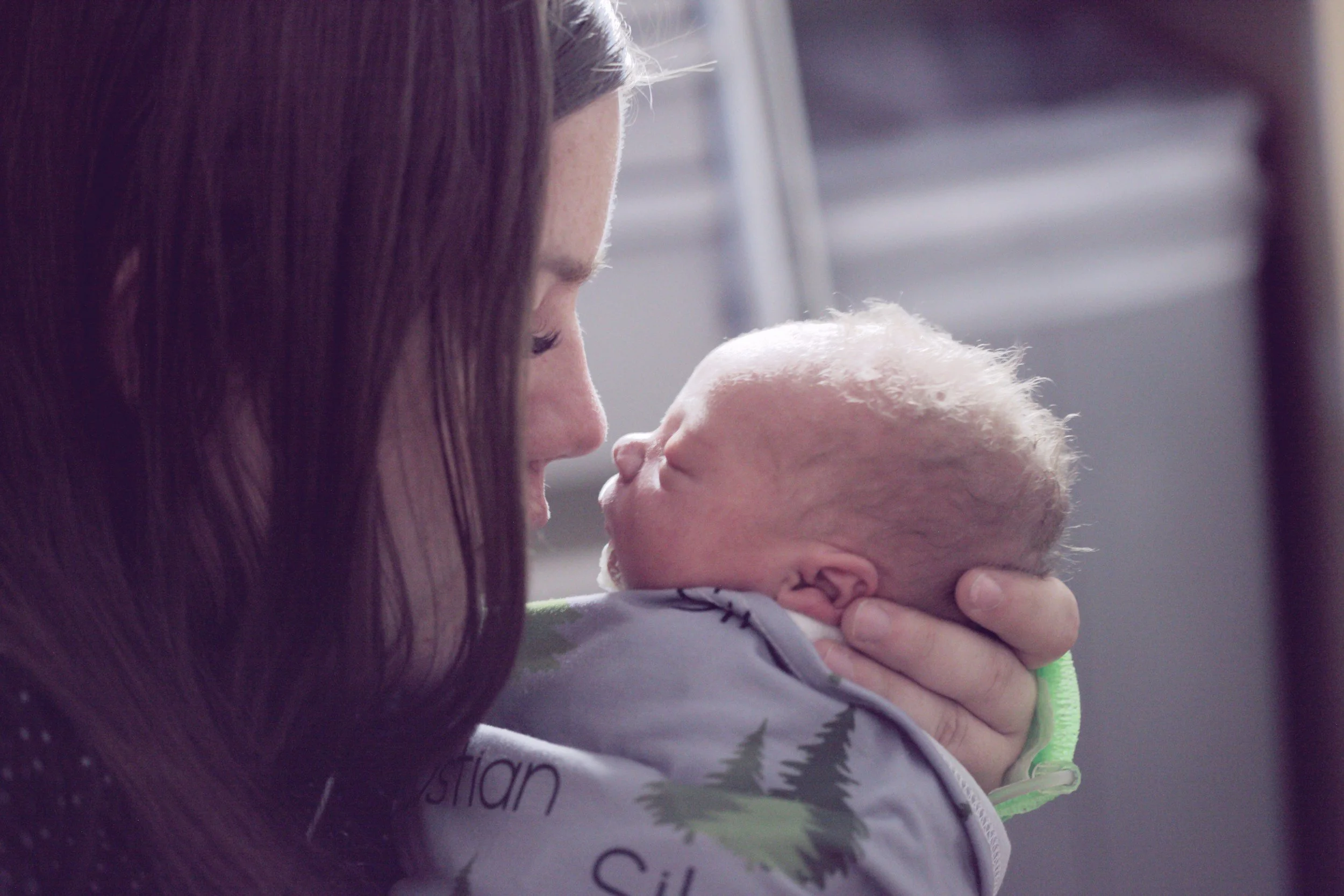
If you have found yourself stuck in cycles of fear, hypervigilance, or repetitive behaviors after giving birth, you may be experiencing postpartum anxiety or postpartum OCD (obsessive-compulsive disorder).
These conditions are far more common than most people realize and have nothing to do with being a “bad mother.” They are real, treatable mental health conditions, and you deserve support.
Understanding Postpartum Anxiety and OCD
Postpartum anxiety goes beyond normal worries of new parenthood. It often shows up as racing thoughts that will not turn off, a constant feeling of dread, difficulty sleeping even when the baby is asleep, and physical responses like chest tightness or shakiness. Your mind may jump straight to the worst-case scenario, leaving you hyper-aware of every sound or possible danger.
Postpartum OCD is one of the least talked-about postpartum conditions. It involves intrusive, unwanted thoughts (obsessions) paired with behaviors or mental rituals (compulsions) meant to reduce anxiety. These might include repetitive fears of causing the baby harm, checking behaviors like rechecking that the baby is breathing, or mental rituals like counting or reviewing.
One of the biggest misunderstandings is that intrusive thoughts mean someone will act on them. They will not. People with postpartum OCD are terrified because the thoughts go against everything they believe. Intrusive thoughts are a manifestation of anxiety, not intentions.
Why These Conditions Happen
The postpartum period creates a perfect storm of biological, psychological, and situational triggers. Hormonal shifts after childbirth affect mood and stress tolerance. Chronic exhaustion makes the brain more sensitive to anxiety and intrusive thoughts. Caring for a newborn activates the brain’s protective instinct, which can become heightened into anxiety or compulsive behavior. If you have struggled with anxiety or OCD tendencies in the past, the postpartum period may amplify them.
Beginning to Cope and Feel Better
Postpartum anxiety and OCD are treatable, often with a combination of therapy, lifestyle support, and sometimes medication. Professional support makes a tremendous difference. A trained perinatal mental health specialist, especially one who specializes in life transitions therapy, can help you break the cycle of intrusive thoughts, reduce compulsive behaviors, and support your emotional regulation.
Many parents stay silent because they fear judgment. But postpartum anxiety and OCD do not mean you are dangerous. They mean your brain is overwhelmed. Sharing what is going on with a partner, friend, or family member can lighten the emotional load.
Rest is not a luxury during this time. It is medicine. Take shifts with your partner, nap when someone else watches the baby, let go of non-essential tasks, and accept help even when it feels uncomfortable. Small adjustments in rest can make a significant difference.
Grounding techniques can help quiet your nervous system. Try deep, slow breathing, naming five things you can see, gentle stretching, or listening to calming music. These practices tell your brain that you are safe in this moment.
When intrusive thoughts appear, try acknowledging them without engaging: “This is an intrusive thought. I do not need to respond to it.” You do not have to perform rituals or over-check. With support, you can gradually reduce compulsions and the anxiety attached to them.
Finding Support That Understands
If anxiety feels impossible to control, intrusive thoughts are becoming more frequent, or you feel overwhelmed, reach out to a mental health professional. Postpartum mental health therapy can make all the difference when facing these challenges.
At Jay Counseling, I understand the complex emotions that come with new parenthood. I offer compassionate, evidence-based therapy to help you navigate postpartum anxiety and OCD. You can reach me at 470-558-1578 or jennifer@jaycounseling.com to schedule a free consultation. You deserve to feel like yourself again.